
Can the World’s First Social Media Ban Strengthen Healthcare E-Professionalism?
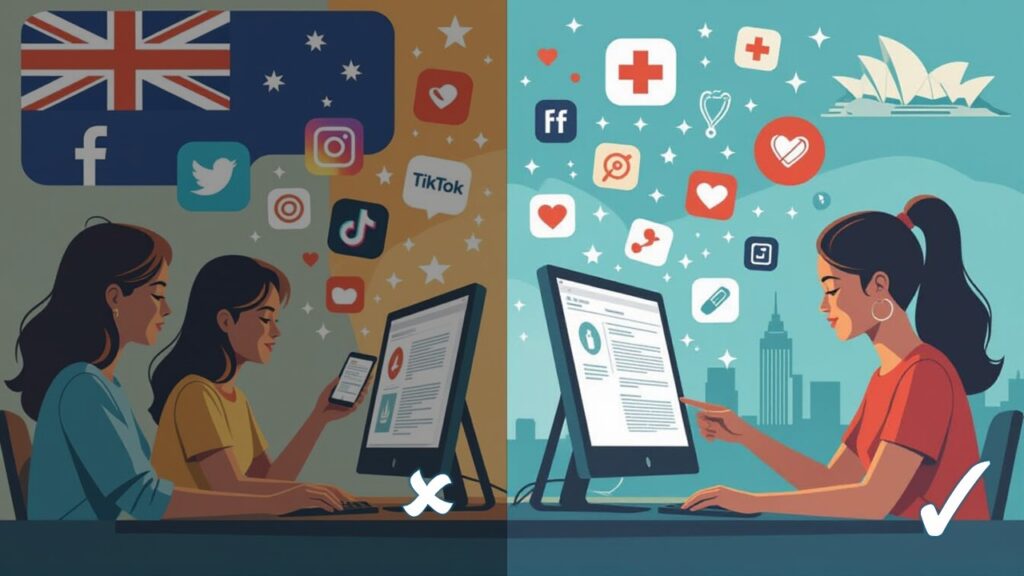
Australia’s social media ban for under-16s starts effect today – 10 Dec 2025 – in the nation’s attempt to curb cyberbullying, online predators and harmful content. Ten platforms are currently banned: Facebook, Instagram, Snapchat, Threads, TikTok, X, YouTube, Reddit, Kick, and Twitch.1 2 Interestingly, while these teens are being removed from major platforms where most of their engagement occurs, healthcare systems worldwide (including Australia’s) are at the same time, encouraging these same teens to access digital health solutions, like telehealth consultations, mental health apps, and online peer support.
Ahead of the national ban, Australia’s PM voiced a word of encouragement to students affected, just ahead of the upcoming summer holidays.
The Mental Health Paradox
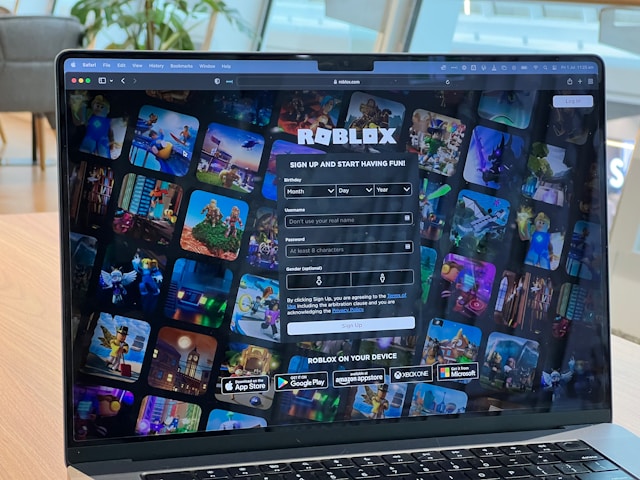
While the ban can potentially be a good thing, critics say that many young people use social media platforms to seek support for their mental health, especially those from marginalized communities. There is concern that these youths (e.g. LGBTQ+ teens, rural youths, and those with disabilities) who rely on online spaces to connect with peers and support networks, may potentially be isolated or cut off from these important support systems. Interestingly, platforms like gaming sites, such as Roblox, Discord and Steam, are still accessible under the ban. But Roblox being one the world’s most popular gaming platforms, have created their own checks (e.g. by facial age verification) in its combat against online harm.3 Social media platforms are one of the avenues where health misinformation can spread, if there isn’t proper content moderation systems governing the platform. In fact, studies have shown that not all digital health technologies have the same quality of health information, as exemplified during the COVID-19 pandemic.4 5 6 While this social media ban may potentially alleviate some mental distress among youths, it remains to be seen as to whether it can help improve mental health more holistically, since mental health is affected by many factors.
The Healthcare e-Professionalism Conundrum
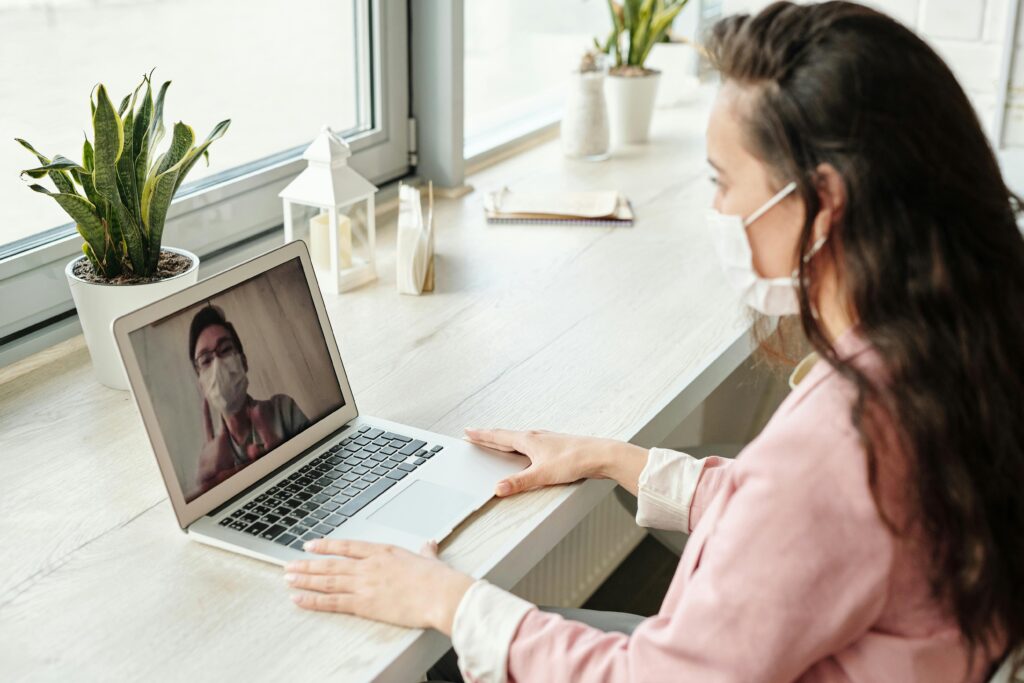
This is where it gets interesting… Can this ban inadvertently create a teaching moment for healthcare e-professionalism? Previously, I published a paper on the major concerns of blurred boundaries between professional and personal identities of healthcare professionals when using social media.7 If the younger generations of (future) healthcare professionals are removed from social media during their formative years (14-16 years old), will they develop healthier and more intentional digital habits and have clearer boundaries when they start their clinical training and practice? The absence of social media may teach what presence has not – that digital engagement needs conscious e-professionalism, and that automatic posting will impact others (sometimes in ways unexpected)…
Digital Intelligence (DQ) Framework: Is This the Way to Go?
Recently, I’ve also been very interested in a framework to enhance digital health literacy among my students – the Digital Intelligence/Quotient (DQ) Framework.8 Developed by the DQ Institute, headquartered in Singapore, this IEEE-standardized framework comprises 32 digital competencies across eight critical areas of a person’s digital life: identity, use, safety, security, emotional intelligence, literacy, communication, and rights.
But here’s me thinking out loud: Can the DQ Framework fill this gap to enhance the digital intelligence of youths instead of a blanket social media platform ban? What if teens are structurally taught to enhance their DQ competencies? And as a digital health practitioner, I am interested to know whether this model can inform clinical educators on how we can prepare the next generations of healthcare professionals for responsible digital engagement in relation to health and well-being…
Australia is pioneering an uncharted territory. Disconnecting teens from popular social media while healthcare delivery becomes more digital will raise fascinating questions about digital health literacy, access to health (mis)information, and whether such a temporary removal might actually strengthen long-term digital healthcare e-professionalism.
Perhaps the question is not whether the ban protects children, but whether it creates an opportunity to re-imagine how we can prepare young people, especially future healthcare professionals, for thoughtful, professional digital engagement.
References:
- Taylor J. Millions of children and teens lose access to accounts as Australia’s world-first social media ban begins. The Guardian Australia. 9 Dec 2025. ↩︎
- Livingstone H. Australia has banned social media for kids under 16. How will it work? BBC News. 10 Dec 2025. ↩︎
- McCallum S. Roblox blocks children from chatting to adult strangers. BBC News. 19 Nov 2025. ↩︎
- Goh ASY, Wong LL, Yap KY. Evaluation of COVID-19 information provided by digital voice assistants. Int J Dig Health. Mar 2021; 1(1): 3. ↩︎
- Tan RY, Pua AE, Wong LL, Yap KY. Assessing the quality of COVID-19 vaccine videos on video-sharing platforms. Explor Res Clin Soc Pharm. Jun 2021; 2: 100035. ↩︎
- Li LSE, Wong LL, Yap KY. Quality evaluation of stress, anxiety and depression apps for COVID-19. J Affect Disord Rep. Dec 2021; 6: 100255. ↩︎
- Yap KY, Tiang YL. Recommendations for health care educators on e-professionalism and student behavior on social networking sites. Medicoleg Bioeth. Oct 2014; 2014(4): 25-36. ↩︎
- DQ Institute. What is the DQ Framework? Global standards for digital literacy, skills, and readiness. 2023. ↩︎