
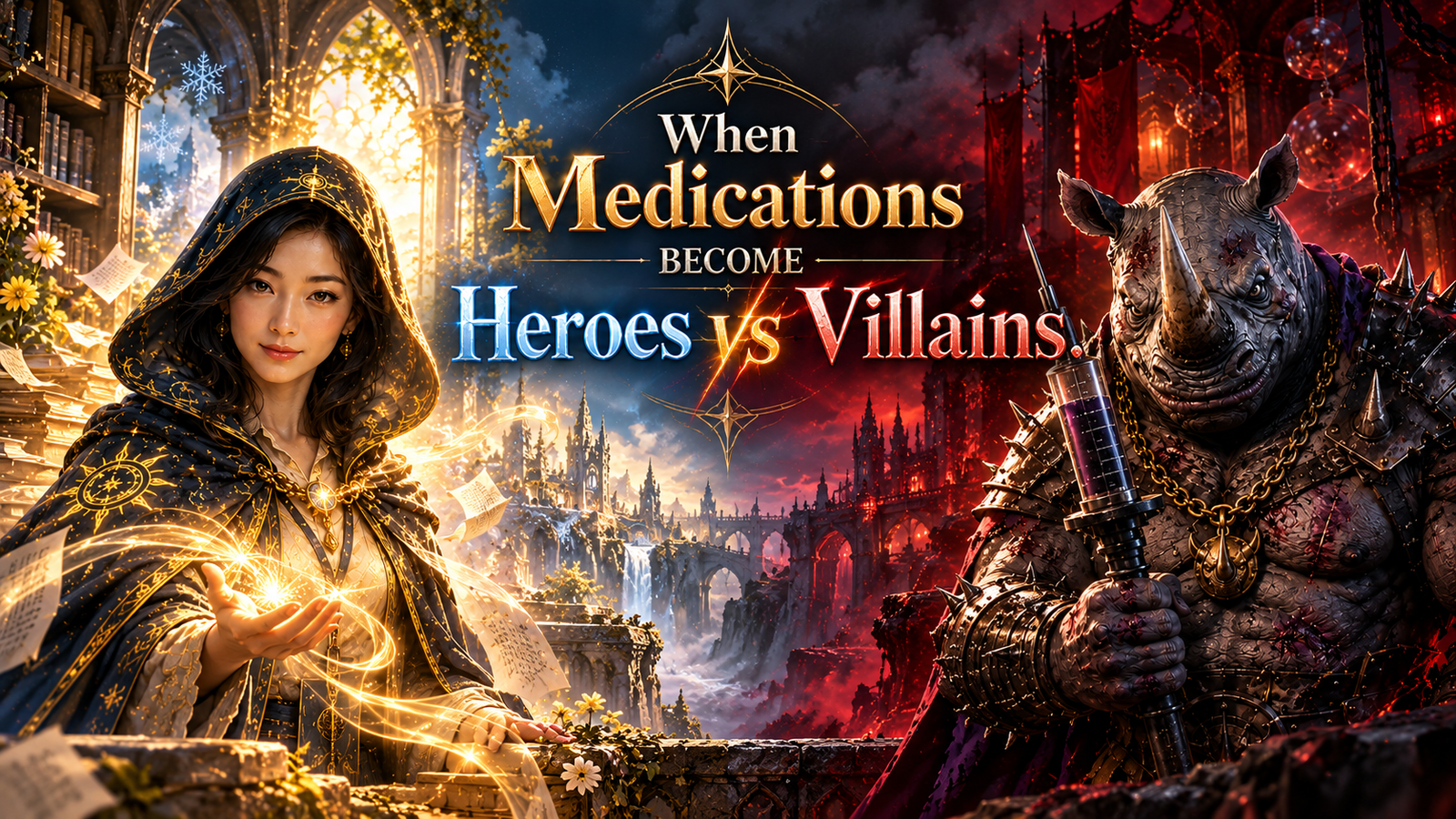
Inspired by lived experiences. Re-imagined through fantasy. Brought to life with AI.
What does it feel like to take a medication? A medicine might bring relief, but also discomfort. It might offer hope, yet come with uncertainty. And sometimes, the same medicine can feel like both a hero and a villain. We rarely ask, and patients rarely get to tell us.
But what if the medicines we take could speak? What if we could turn these experiences into characters? Would they be heroes, villains, or something in between?
That’s exactly what our nursing students explored in a creative human-centered AI activity using Mythrx, The Loremaster, a Generative AI (GenAI) storytelling companion. Drawing inspiration from their own medication experiences, or those of people close to them, the students transformed these medicines into characters — complete with personalities, powers, weaknesses, and stories to tell.
The result? A total of 22 characters, and a surprising truth hidden inside fantasy. And we didn’t stop at character portraits. We brought them to life with AI-powered voices, animation, and music.
Meet the Top 7 Medication Heroes & Villains
Seven characters. Seven personalities. Seven different perspectives on what it can feel like to take medicines. Imagine the medication talking to you from the perspective of the taker. What would the medication say?
Explore their character cards below, then watch each character introduce themselves in their own words.
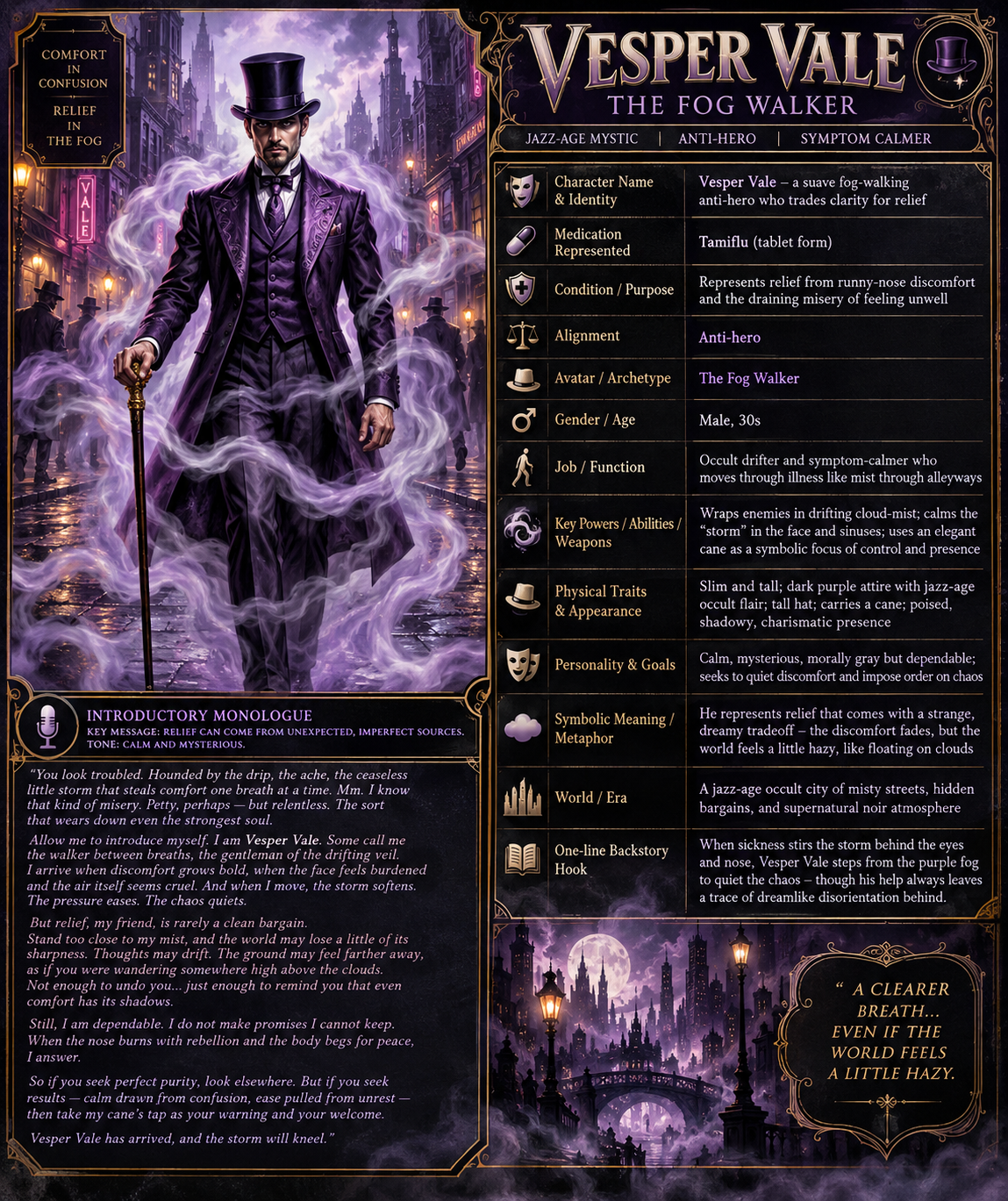
Vesper Vale: The Fog Walker (Inspired by Tamiflu/Oseltamivir)
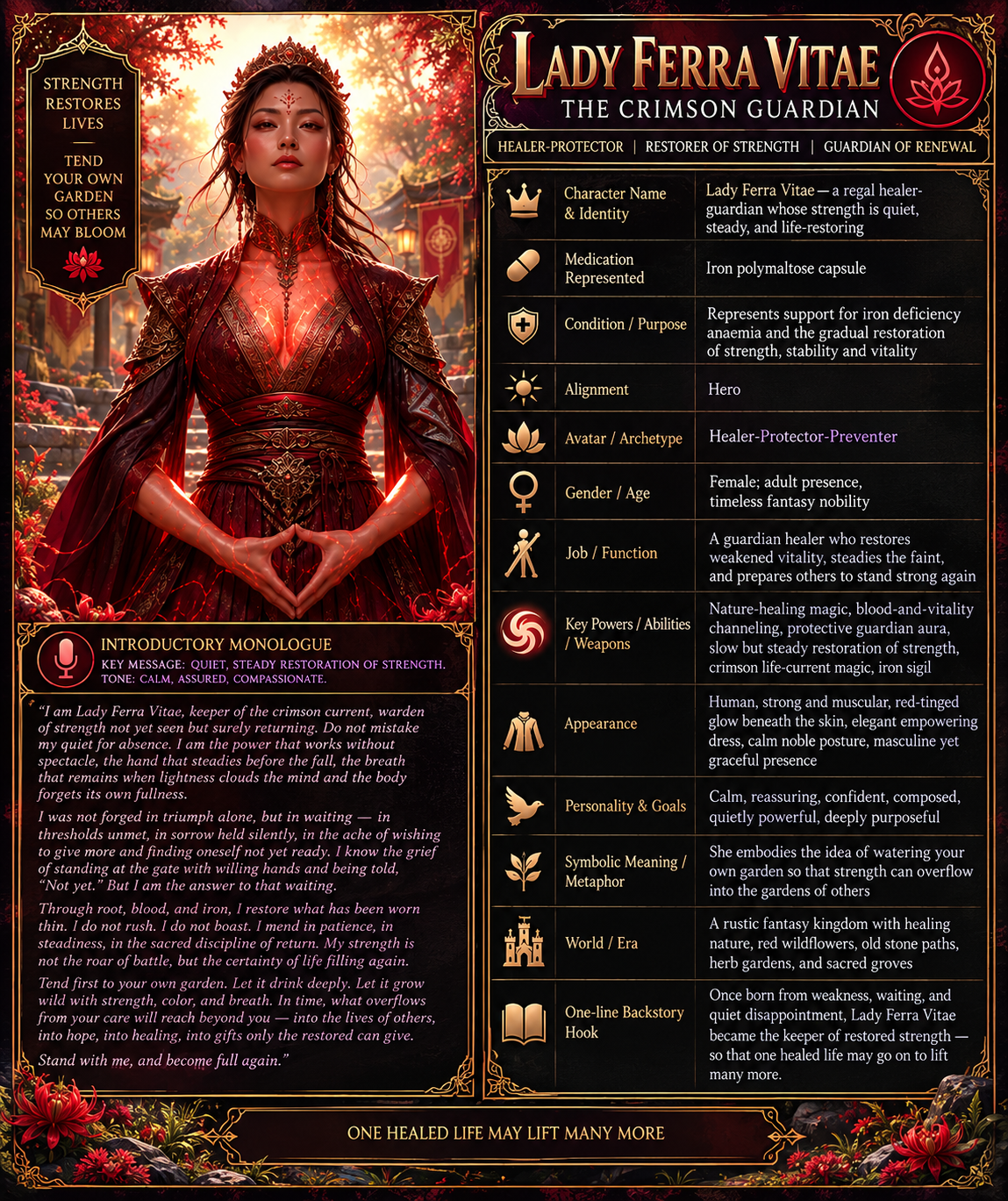
Lady Ferra Vitae: The Crimson Guardian (Inspired by Iron Polymaltose)
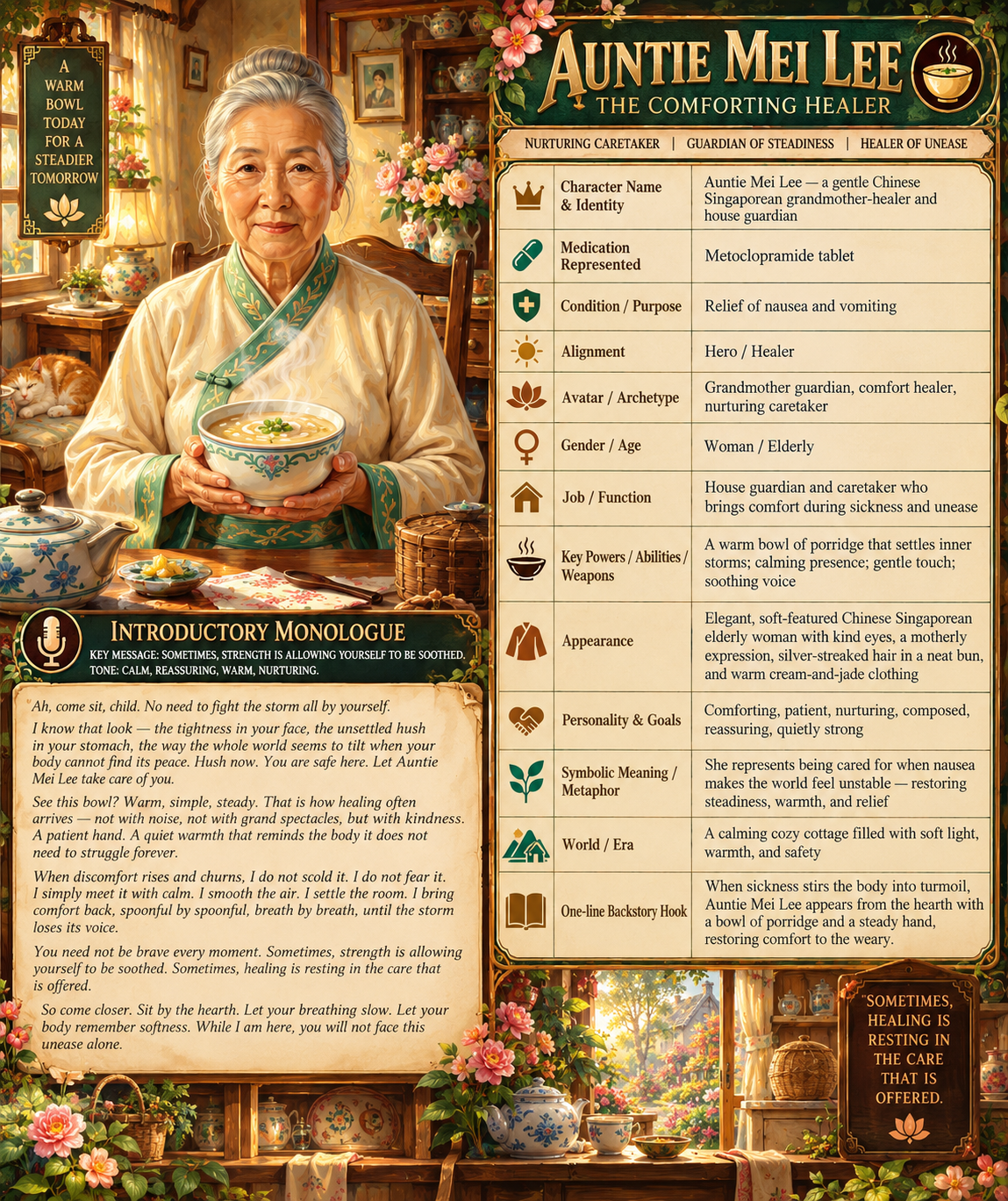
Auntie Mei Lee: The Comforting Healer (Inspired by Metoclopramide)
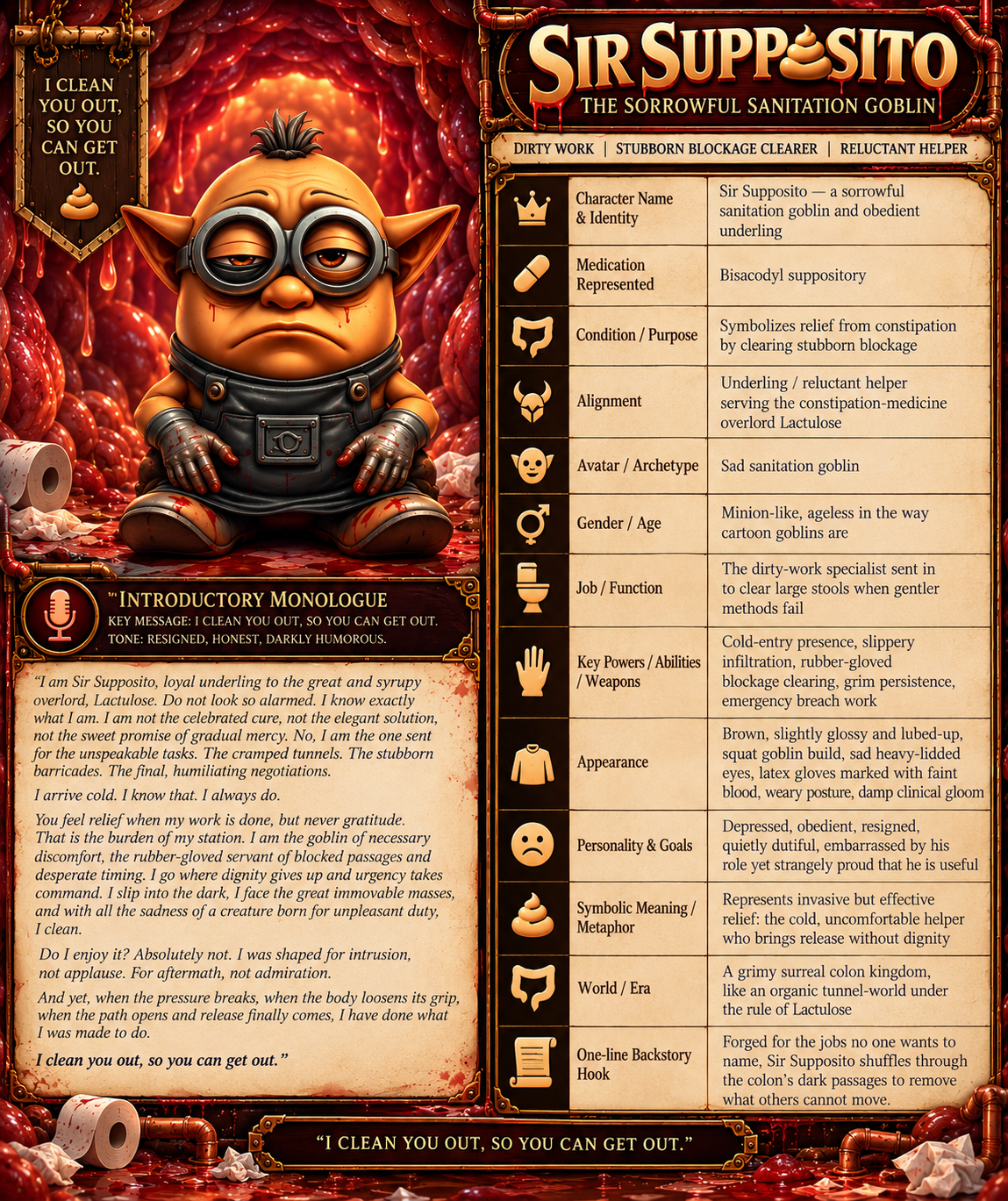
Sir Supposito: The Sorrowful Sanitation Goblin (Inspired by Bisacodyl Suppository)
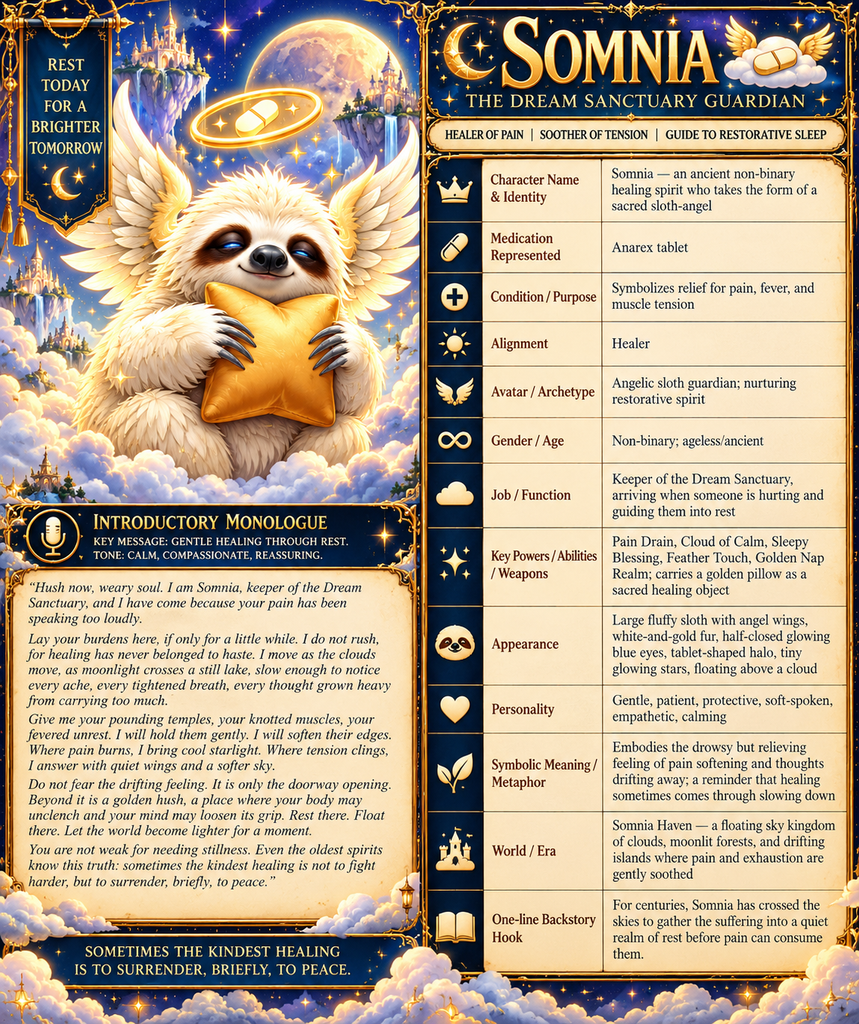
Somnia: The Dream Sanctuary Guardian (Inspired by Anarex)
Yue Lan: The Lantern of Stillness (Inspired by Xanax/Alprazolam)

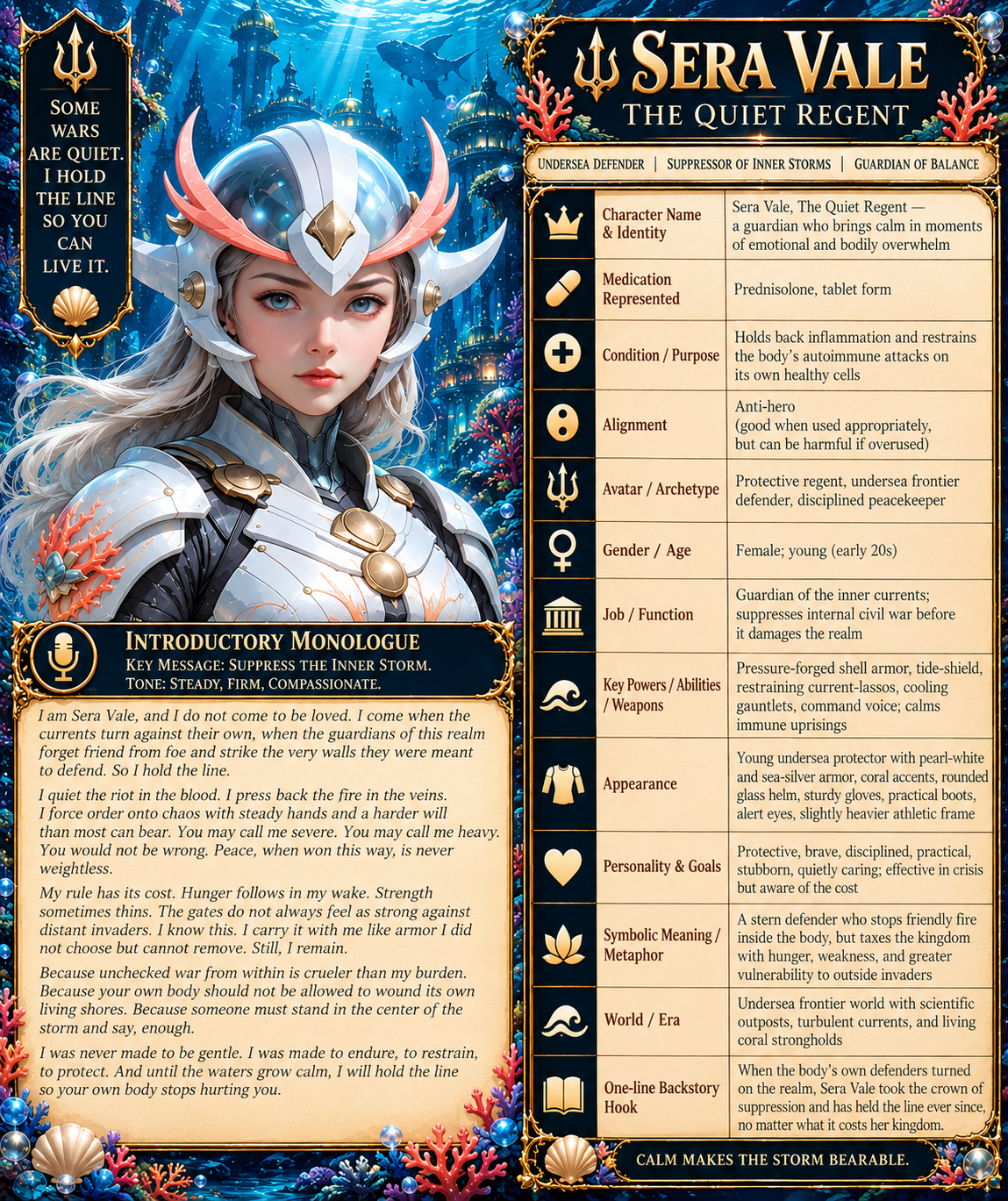
Sera Vale: The Quiet Regent (Inspired by Prednisolone)
There’s a Human Story Behind Every Medication
Patients’ stories carry things no textbook does. Turning a lived experience into a character is a way to see it from the inside. These characters are not meant to explain how medicines work scientifically or pharmacologically. Instead, they are imaginative reflections of how medicines can feel to the people taking them. This is a crucial skill that nurses and pharmacists need, and one that we can practice.
Wait, But Isn’t AI “Making Things Up” A Bad Thing?
Usually, yes. When AI invents and/or distort the facts, this is the “hallucination” that we are concerned about, which in healthcare, becomes dangerous. But what if it is deliberately used to help people tell their lived experiences?
This is the idea behind Purposeful Hallucination Pedagogy: using AI’s hallucination intentionally and purposefully to creatively explore real human experiences. The Human still stays in charge, and the AI just helps them see the story more vividly.
Here, the medications become heroes, villains, and anti-heroes — each reflecting the hopes, struggles, and emotions associated with taking medicine.
How Did This Happen?
- Students explored how patients transformed their medication experiences into characters.
- They drew on their own or familiar medication experiences to create characters with Mythrx, an in-house AI storytelling companion.
- Facilitators voted for the most representative characters, and selected creations were brought to life after the class through AI voice, animation, and music.
Which character speaks to you most? And if your medication had a personality, who would it be?
Educational Disclaimer:
The fictional characters portrayed here are creative, AI-assisted interpretations of personal medication experiences, created for education and storytelling. They do not give medical advice, do not describe how any medication works, what it will do for you, or what side effects you will have. Everyone’s experience is different, and each story is not representative of every patient. The text, images, voices and animations were created and/or assisted by Generative AI and may contain errors or exaggerations. No brand or medicine is endorsed through this activity. Please speak to a doctor, pharmacist or nurse about your own medications, and never start, stop or change any medicine because of what you read or watched here.